
By Isaac Y. Asiedu – President, African Association of Miyagi (AFAM)
Introduction: A Global Agenda Revisited
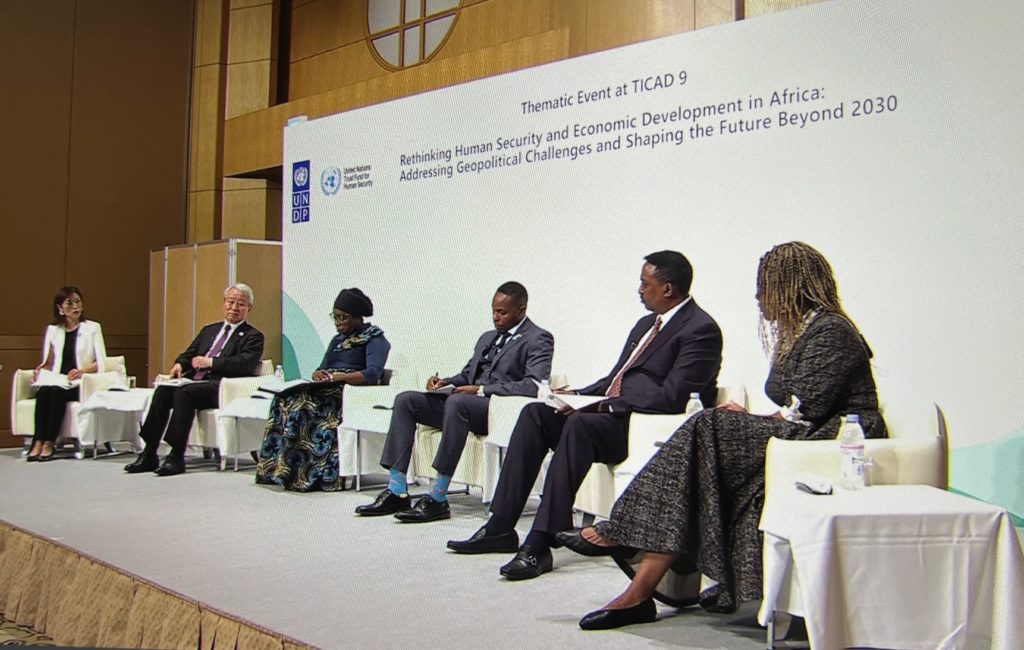
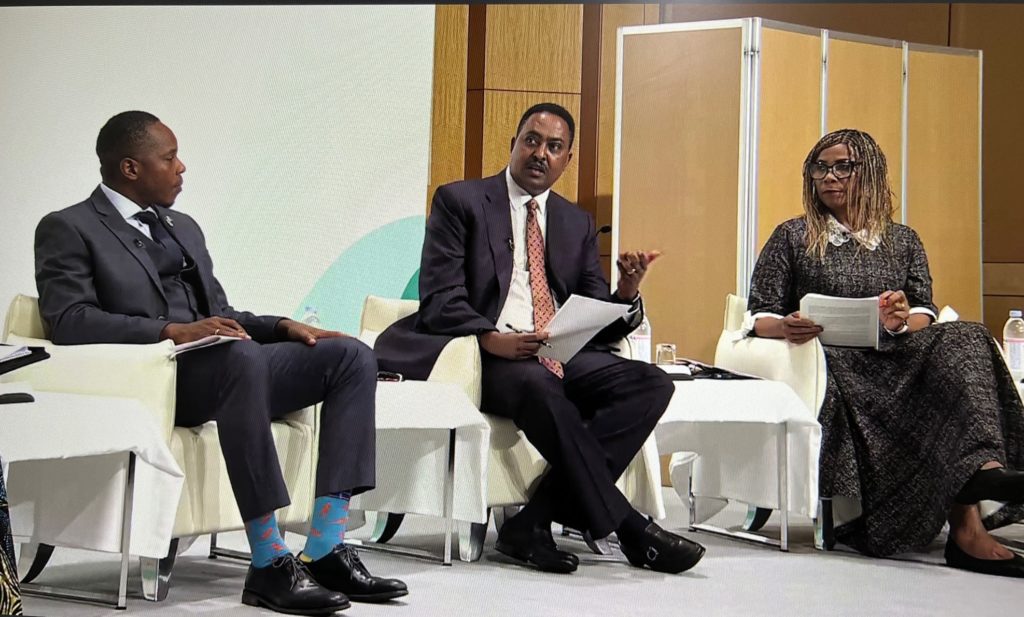
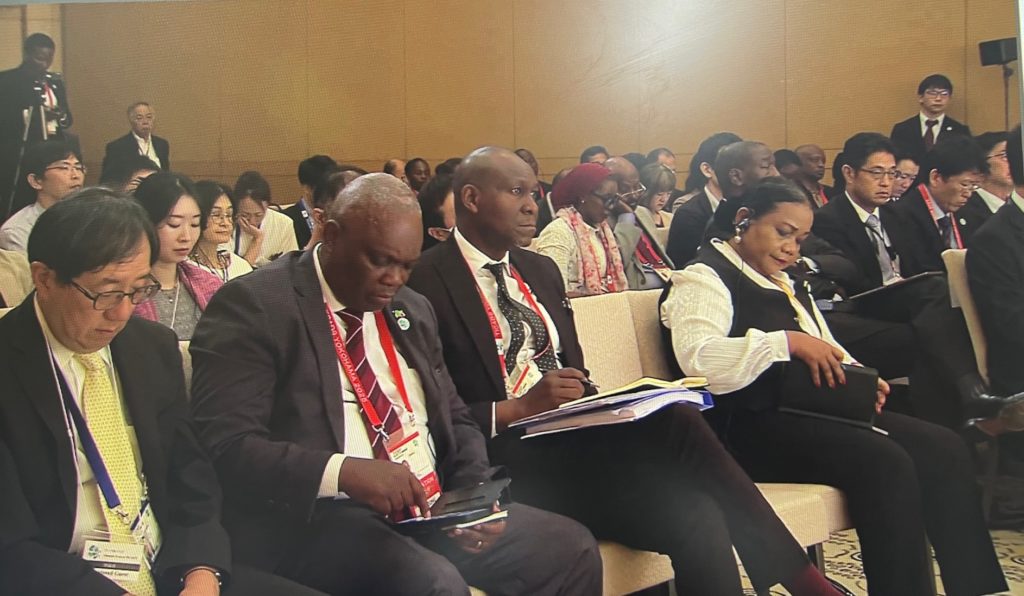
On August 20, 2025, I participated online in the JICA Thematic Event on Human Security, a high-level UN–Africa–Japan dialogue that examined how the concept of human security can guide Africa’s development amidst multiple crises. With contributions from senior leaders of the United Nations, African Union, IGAD, national governments, and JICA, the discussion positioned human security not only as a moral imperative but also as a practical framework for addressing Africa’s challenges.
The conversation unfolded against the backdrop of climate change, food insecurity, conflict, health vulnerabilities, and weakening multilateralism—conditions that make human security more urgent than ever.
Africa as a Pioneer of Human Security
Speakers emphasized that Africa is not a passive recipient of human security ideas but a pioneer in applying them. The African Union’s Agenda 2063 and initiatives such as Silencing the Guns were cited as proof of Africa’s commitment to people-centered approaches.
More importantly, African cultural traditions—rooted in dignity, solidarity, and mutual responsibility—were highlighted as fertile ground for human security. Unlike external concepts imposed from abroad, this approach resonates deeply with community values across the continent.
National Case Studies: Zambia and Sierra Leone
Two African leaders shared powerful national experiences:
- Zambia’s Vice President, Mutale Nalumango, described how her country integrates refugees into public services and schools, ensuring inclusion rather than marginalization. She stressed the devastating effects of prolonged droughts on agriculture, energy, and health, advocating for smart agriculture and renewable energy investments backed by partners like JICA.
- Sierra Leone’s Chief Minister, David Moinina Sengeh, reflected on lessons from Ebola and COVID-19. His government allocates 20% of its budget to education, strengthens health infrastructure, and advances women’s empowerment and governance reforms as the foundation of resilience.
These testimonies showed that human security is not abstract—it is visible in classrooms, clinics, farms, and refugee communities.
Regional Voices: IGAD and the Horn of Africa
Dr. Workneh Gebeyehu, Executive Secretary of the Intergovernmental Authority on Development (IGAD), drew attention to the 80 million internally displaced persons and 5 million refugees in the Horn of Africa. He underscored that transboundary crises like Sudan’s conflict demand regional cooperation, not just national responses.
Japan’s Distinctive Role
Mr. Tanaka Akihiko, President of JICA, reaffirmed Japan’s leadership in promoting human security as a pillar of its foreign policy. He highlighted tangible examples such as:
- The Freedom Bridge in South Sudan
- Investments in healthcare infrastructure and school feeding programs
- Japan’s climate adaptation focus under TICAD initiatives
Japan’s approach was framed as “soft power through solidarity”, offering a model of partnership based not on dominance but on empowerment.
Youth and Intergenerational Equity
Africa’s youth—over 60% under 25—were recognized as the continent’s greatest strength. Rejecting the outdated narrative of youth as a “ticking time bomb,” the panel emphasized education, vocational training, and entrepreneurship as keys to unlocking their potential. Human security, therefore, is also about ensuring intergenerational justice—a secure future for today’s youth and generations to come.
Cross-Cutting Messages
The discussion offered several critical policy lessons:
- Systems thinking: Development must be integrated, not fragmented.
- Trust-building: Restoring confidence between governments and communities is essential.
- Inclusive governance: Local voices and traditional knowledge must shape solutions.
- Resilience over reaction: Shift from short-term crisis management to long-term preparedness.
Commentary: Strengths, Insights, and Gaps
The dialogue stood out for its multi-stakeholder depth, weaving together climate, displacement, health, and governance. The stress on dignity and trust signals a shift in development paradigms—from seeing people as beneficiaries to recognizing them as co-architects of solutions.
However, challenges remain. The discussion acknowledged—but did not fully resolve—the contradictions of declining development aid versus rising global military spending. Nor did it adequately tackle structural barriers like debt burdens and political instability, which shape the very space for human security interventions.
Conclusion: From Rhetoric to Resilience
The JICA Thematic Event underscored that human security is Africa’s pathway through an age of “polycrises.” It demands moving:
- From emergency responses to resilience-building.
- From aid dependence to ownership and agency.
- From siloed projects to integrated systems of care and empowerment.
The vision presented was clear: human security is not an add-on but the very foundation of Africa’s sustainable development. To achieve this, leaders must unite across sectors and borders, citizens must be empowered as partners, and international allies like Japan must continue to stand alongside Africa in solidarity.
This article is based on the proceedings of the 2025 JICA Thematic Event on Human Security, held as part of TICAD9.